
Why So Many Skincare Solutions Fail to Truly Improve Aging Skin
For years, the beauty industry has taught us to believe that youthful skin comes from what we apply on the surface.
Serums. Creams. Treatments.
Some expensive. Some promising fast results.
And yet, many people notice the same frustrating pattern:
even after trying multiple skincare routines, the skin still looks dull, tired, or older than expected.
This growing frustration is exactly what led researchers to start questioning the traditional approach — a question that is explained in more detail later in the video linked below.
What if aging skin isn’t primarily a surface problem at all?
“explained in more detail in the video below”
The Hidden Pattern Scientists Started to Notice
In recent years, a growing number of scientists studying skin health began noticing something unusual.
People with similar skincare habits often had very different results.
The difference wasn’t always genetics.
It wasn’t always sun exposure either.
As researchers dug deeper, they began documenting a recurring internal pattern — one that had little to do with creams and much more to do with what was happening inside the body.
This early observation became the foundation of a larger investigation, which is fully explained step by step in the video presentation.
More specifically, their attention turned to the digestive system.
The Skin–Gut Connection Few People Talk About
The skin is the largest organ in the human body.
But it doesn’t operate independently.
Researchers discovered that skin appearance is closely linked to:
Nutrient absorption
Inflammation levels
Internal balance systems that regulate repair and renewal
All of these processes are heavily influenced by the gut.
When digestion is compromised, the body struggles to absorb key nutrients needed for skin regeneration.
When internal inflammation is elevated, it often shows externally — through uneven tone, loss of elasticity, or premature aging signs.
This connection between internal balance and visible skin changes is one of the key concepts explored more deeply in the video, where scientists explain why this happens.
A Scientific Discovery That Changed the Conversation
This realization led scientists to explore a different approach.
Instead of asking “What should we apply to the skin?”, they asked:
“What internal systems control how the skin ages?”
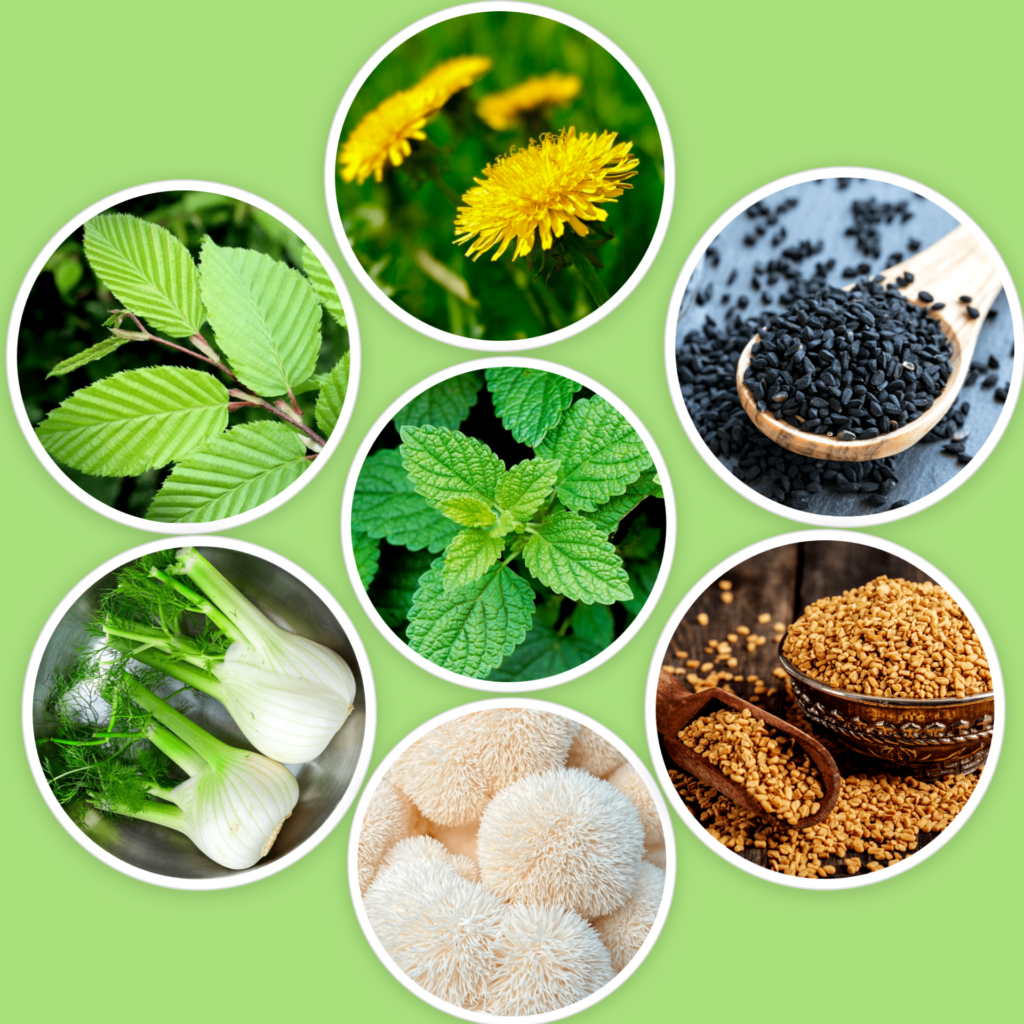
During this exploration, researchers began studying specific plant compounds and natural extracts traditionally associated with internal balance, inflammation control, and cellular renewal.
What they found was surprising — and it reshaped the direction of their research, a turning point that is described in detail during the presentation.
Certain botanicals appeared to support the gut’s environment in a way that allowed the body to:
Reduce internal stress signals
Improve nutrient utilization
Support natural regeneration processes that directly affect skin appearance
This wasn’t about masking aging signs — it was about addressing what triggers them in the first place.
Why External Skincare Alone Often Isn’t Enough
Topical skincare has value.
But it works best when the internal environment is already supportive.
Imagine trying to hydrate dry soil by spraying water only on the surface.
Without restoring what’s underneath, the results never last.
Skin functions in a similar way.
When the gut environment is balanced:
Nutrients reach the skin more efficiently
Inflammatory responses are better regulated
Natural renewal cycles can operate as intended
This internal-first logic is one of the reasons researchers shifted their focus — a shift that is visually explained in the video using simple examples.
“explained in more detail in the video below”

The Role of Plant-Based Compounds in Skin Renewal
As scientists continued their research, they focused on specific plant-derived compounds known for supporting internal harmony.
These compounds weren’t chosen randomly.
They were selected based on their historical use and modern scientific observations related to:
Digestive balance
Cellular protection
Systemic inflammation
Rather than acting directly on the skin, these compounds worked through the body’s internal pathways — allowing skin improvement to happen as a result, not a forced outcome.
The full story behind how these compounds were identified — and why they were combined — is explained later in the video.
A New Way of Thinking About Youthful Skin
The emerging conclusion was clear:
Skin health doesn’t start in the mirror.
It starts inside the body.
When internal systems are supported correctly, the skin often reflects that balance naturally.
This explains why some people experience noticeable improvements in skin texture, tone, and vitality — without changing their external skincare routine at all.
Understanding how this internal support works is one of the final points covered in the presentation.
Why This Approach Is Gaining Attention
This internal-first perspective is gaining interest because it aligns with how the body actually functions.
Rather than chasing quick fixes, it focuses on:
Supporting foundational systems
Allowing the body to do what it’s designed to do
Creating sustainable, long-term improvements
For those who want to see how this discovery evolved — from early observations to a complete internal skin-support solution — the explanation continues in the video below.
“explained in more detail in the video below”